
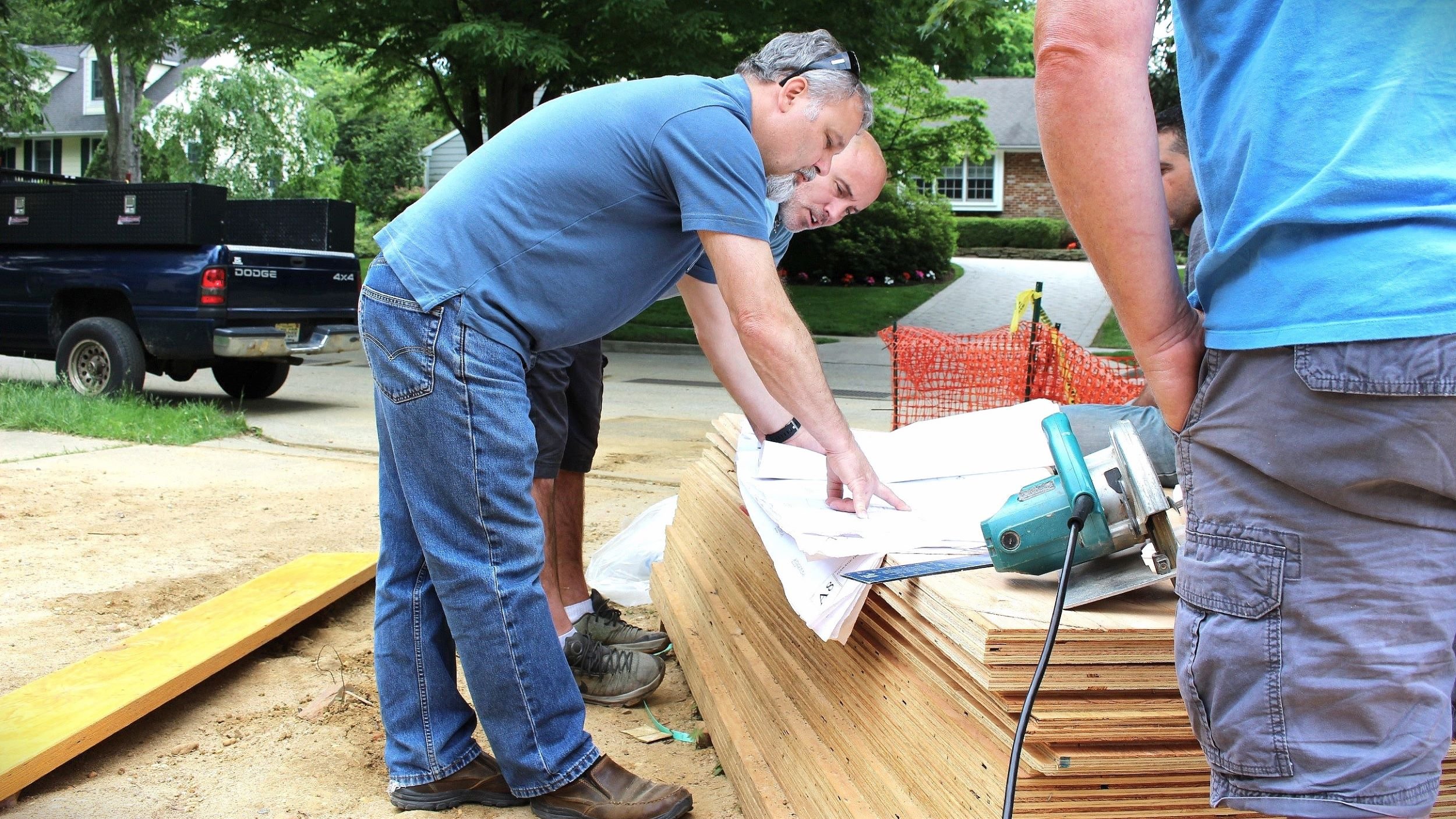
Remaining actively involved during construction helps ensure the work is carefully coordinated and faithfully executed.
How We Design: A Process of Inquiry, Clarity, and Construction
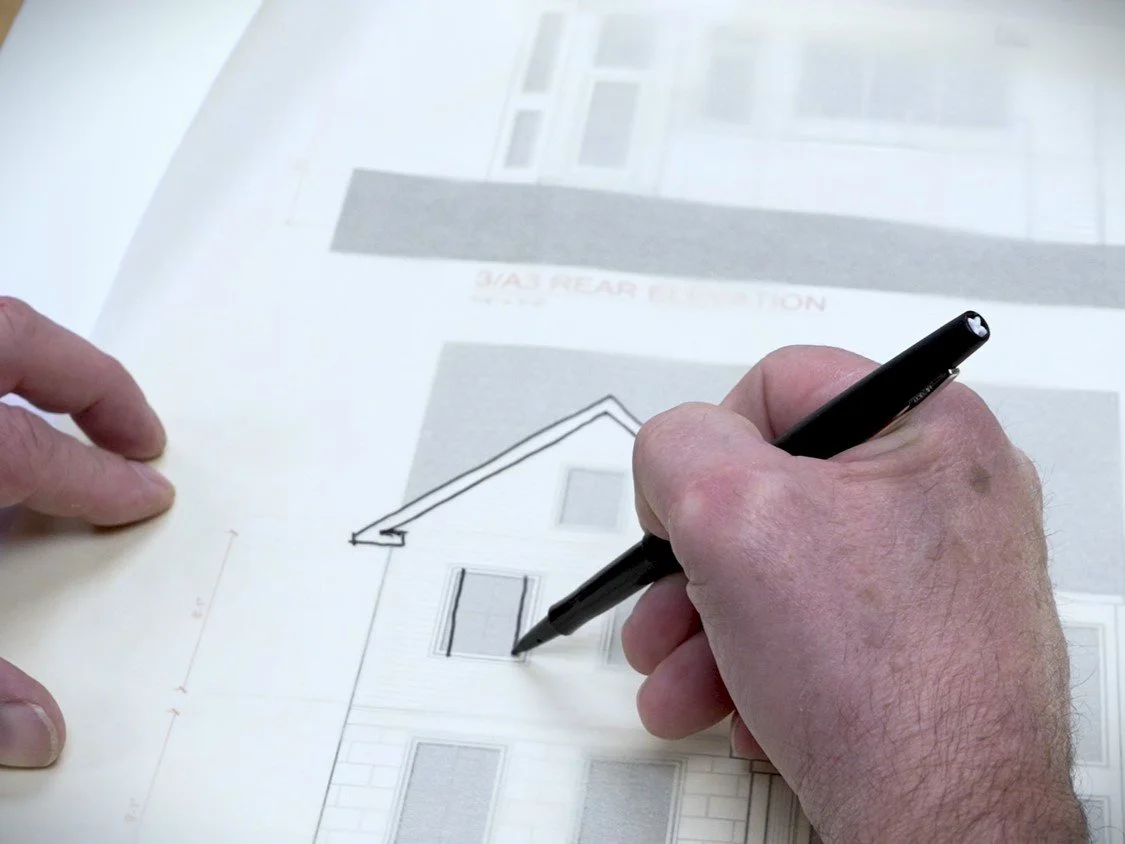
Architecture develops through conversation, iteration, and the careful testing of ideas—not predetermined solutions.
Intro
Every project begins with assumptions—about space, style, budget, and what a home should be.
Our process is designed to test those assumptions. Through a series of conversations, sketches, and decisions, we ask questions, challenge preconceptions, and clarify what actually matters.
This applies to both our clients and ourselves. Good architecture doesn’t come from following a script—it emerges through careful inquiry, clear thinking, and a willingness to refine ideas until they hold together.
Our role is not limited to design. We remain involved from the first conversation through construction, working as a partner in the process rather than stepping away once drawings are complete.
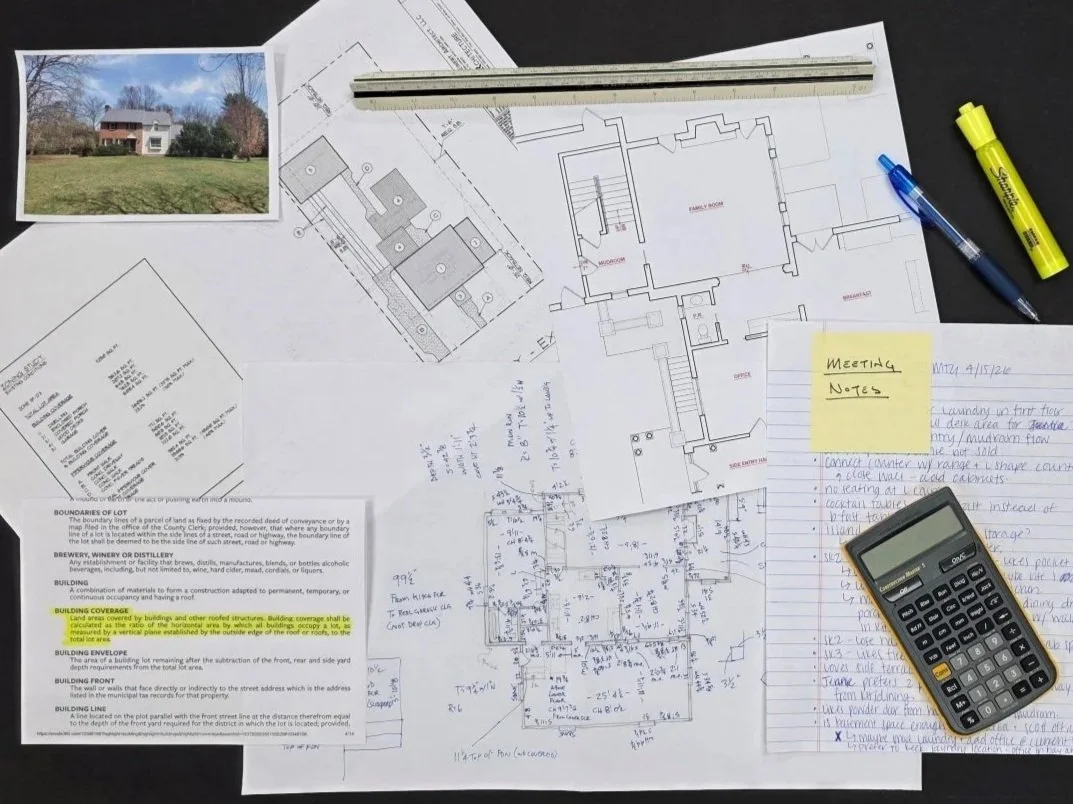
Documents, constraints, and ideas brought together before design begins.
Pre-Design Phase
Understanding Before Solving
Before design begins, we work to understand what already exists—physically, contextually, and personally.
We document the home or site, research zoning and constraints, and begin a series of conversations focused less on solutions and more on questions:
What’s working? What isn’t? What assumptions are shaping the way you think about your home?
This phase establishes a clear foundation—not just of measurements and regulations, but of priorities.
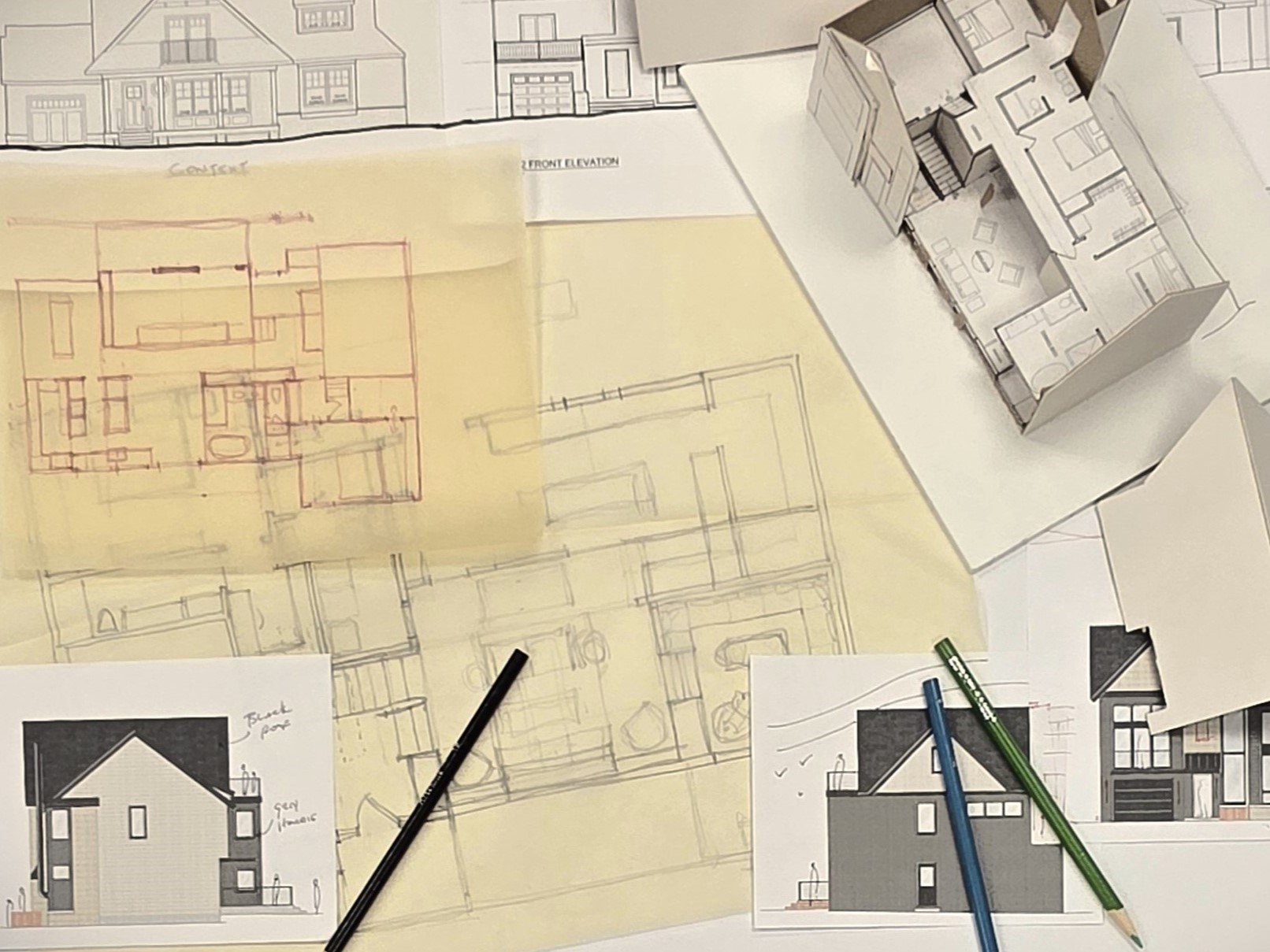
Sketches, models, and overlays used to test ideas and refine direction.
Schematic Design Phase
Challenging Ideas and Establishing Direction
This is where ideas are tested.
We explore multiple approaches—often pushing beyond initial expectations—to understand what the project could be, not just what it was assumed to be.
Through sketches, plans, and ongoing dialogue, we refine the work by questioning it:
Does this solve the right problem?
Is the space doing what it should?
Is there a clearer way?
The process is iterative by design. By the end, the project is not just defined—it’s been challenged enough to be trusted.
Where helpful, we reference work such as Hadro House to illustrate how ideas and parti developed into built form.
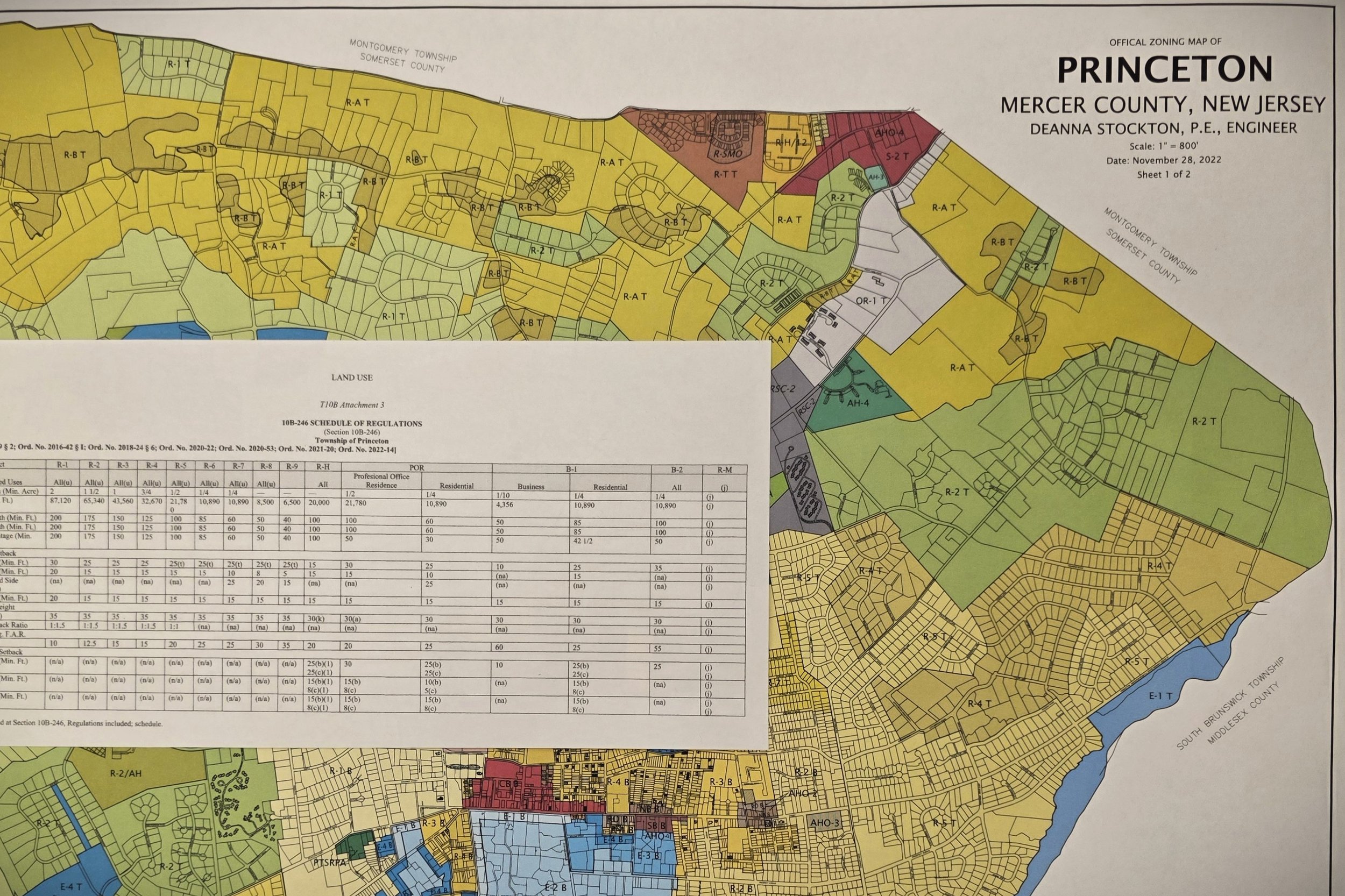
Approvals + Public Process
Zoning & Variance Phase
Navigating Constraints with Clarity
When a project requires approvals or variances, we prepare the necessary documentation and guide the process.
Constraints are not treated as obstacles alone—they often reveal opportunities to refine the design and clarify what matters most.
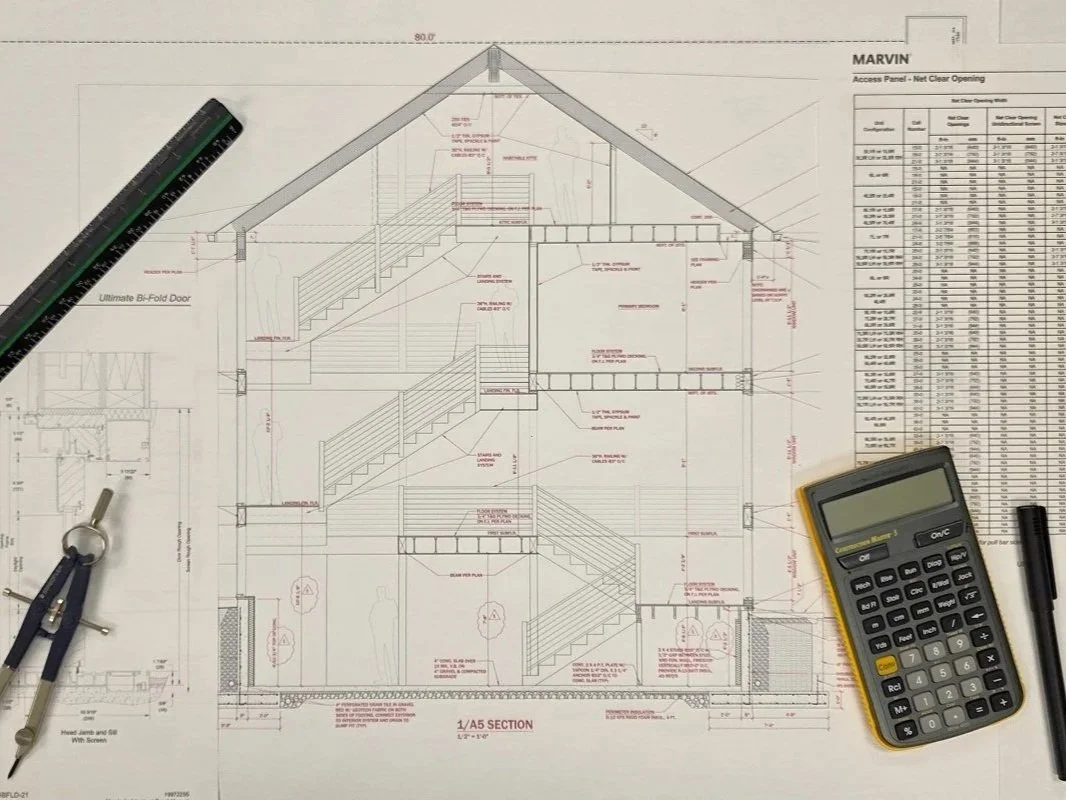
Transforming design intent into coordinated drawings, details, and specifications that allow the project to be accurately priced and confidently built.
Construction Documents Phase
Making Decisions That Hold Up in the Real World
As the design becomes more defined, the focus shifts to precision.
Materials, assemblies, and dimensions are resolved in detail, and decisions are made with both design intent and construction realities in mind.
This phase is less about questioning possibilities and more about confirming direction—ensuring that what has been developed can be clearly communicated and built.
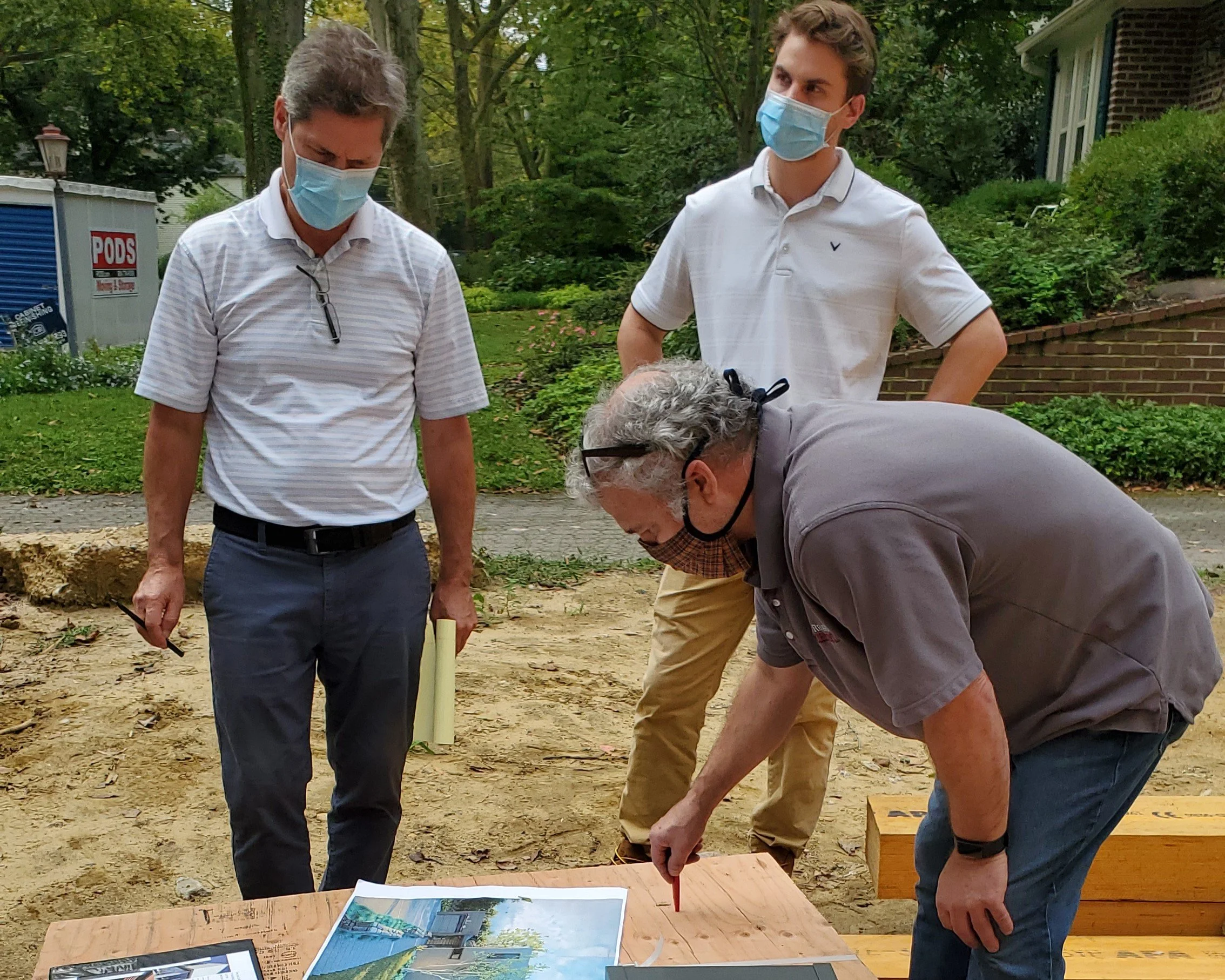
Even during COVID-19, remaining actively involved on-site helped keep the Hadro House project coordinated, informed, and moving forward.
Construction Administration Phase
Staying Involved to Protect the Idea
Construction is where the project is ultimately defined.
Drawings alone are not enough—conditions change, details are interpreted, and decisions are made daily by the General Contractor and their material suppliers, subcontractors, and tradespeople.
We remain actively involved during this phase, not just as a resource, but as an advocate for the design and for the client. We review work in progress, respond to questions, and help guide decisions as they arise.
This requires a working knowledge of construction and the confidence to engage directly with experienced builders through out the construction sequence. Our role is not to replace their expertise, but to work alongside it—ensuring that decisions made in the field continue to support the larger intent of the project.
As seen in projects like Center Hall Industrial Minimalism, decisions made during construction are often what define the final result.
The goal is simple: the house that gets built should reflect the same clarity and intent as the one that was designed.
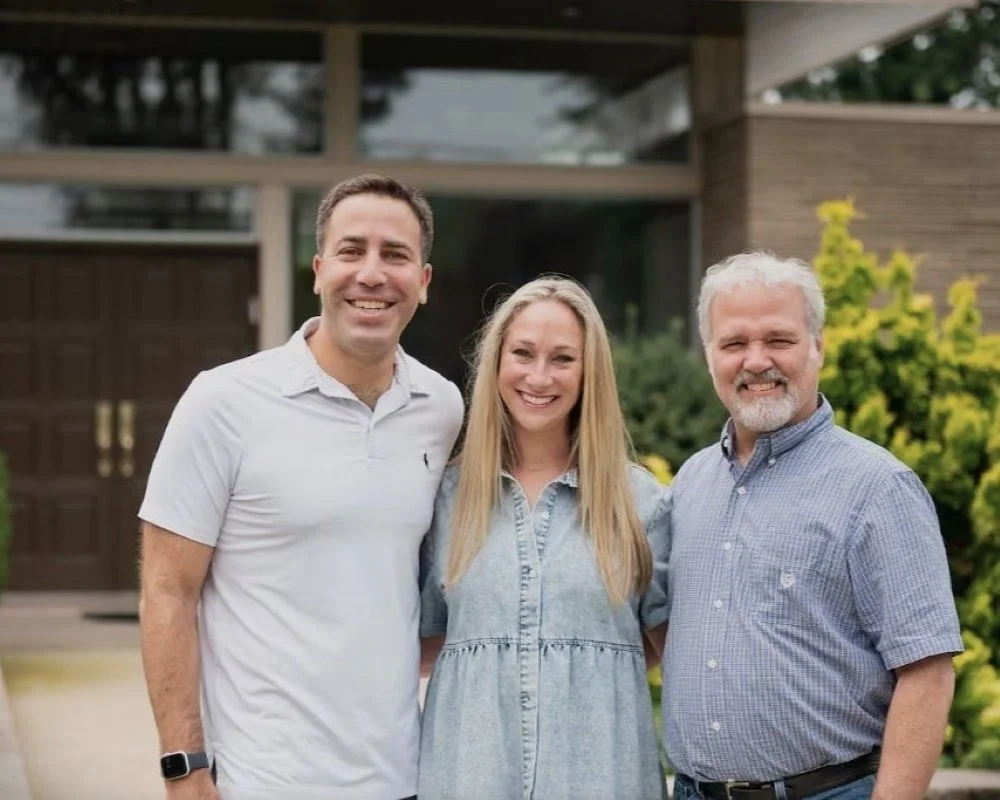
The process does not end with drawings or construction—it concludes when the home feels complete, lived in, and fully connected to the people it was designed for.
A Continuous Role, Not a Hand-Off
Many residential architecture firms are structured around a relatively quick hand-off: listen to the client, prepare a design solution, issue signed and sealed drawings for permit, and leave the owner and builder to carry the project forward. It can be an efficient and profitable model, allowing a firm to complete a large number of projects each year.
Our approach is different.
Before becoming an architect, I spent fifteen years working on the construction side of projects as a carpenter and business owner. That experience made one thing clear: even a relatively straightforward home renovation or new build requires hundreds—sometimes thousands—of decisions throughout construction.
Many of the most important decisions happen after the drawings are complete, when existing conditions are uncovered, materials meet in the field, and assumptions made on paper are tested by the realities of construction.
With that understanding, we remain engaged through the construction process, working with the owner and builder until the clients are living in the home and the design has been thoughtfully carried through.
Being present allows us to continue asking the questions that shaped the project from the beginning:
Is this the right solution?
Is there a clearer way?
Does this still support the larger idea?
That continuity helps the project remain cohesive from the first conversation through completion.
A Process Built on Questions
The most valuable part of the process is not a drawing or a document—it’s the clarity that comes from asking the right questions.
Clients often begin with clear ideas about what they want. So do we.
But good work requires both to be examined. Some ideas hold up and become central to the project. Others evolve or fall away.
This isn’t about challenging for its own sake—it’s about making sure the final result is not based on assumptions, but on understanding.
Meet the team behind this process.
Every project begins with an introduction call to discuss your goals, your site, and what the process will look like for your specific project.
Common Questions About Our Process
-
Timelines vary by project scope and the requirements of local zoning and planning boards, but most custom home and renovation projects move through Pre-Design, Schematic Design, and Construction Documents over several months before construction begins. We remain involved through Construction Administration until the project is complete.
-
We document the existing home or site, research zoning and constraints, and hold a series of conversations focused on what's working, what isn't, and what assumptions are shaping your idea of the home — before any design work begins.
-
Description text goes hereYes. When a project requires municipal approvals or variances, we prepare the necessary documentation and guide clients through the public process across Haddonfield and South and Central New Jersey.
-
Yes. Unlike firms that hand off drawings and step back, we remain engaged through Construction Administration, working alongside the builder so that decisions made in the field still reflect the original design intent.
-
We design custom homes, renovations, and additions rooted in place across South and Central New Jersey, including Haddonfield, Cherry Hill, Collingswood, Haddon Heights, Moorestown, Voorhees, Princeton, and the Jersey Shore.